shd gc cable

Conductor material: tinned copper, copper
Conductor cross-sectional area: 0.5-630mm2
Insulation layer: EPR/CR/XLPO, etc.
Sheath material: CR/LSZH/PUR, etc.
Voltage level: low voltage/medium voltage/high voltage
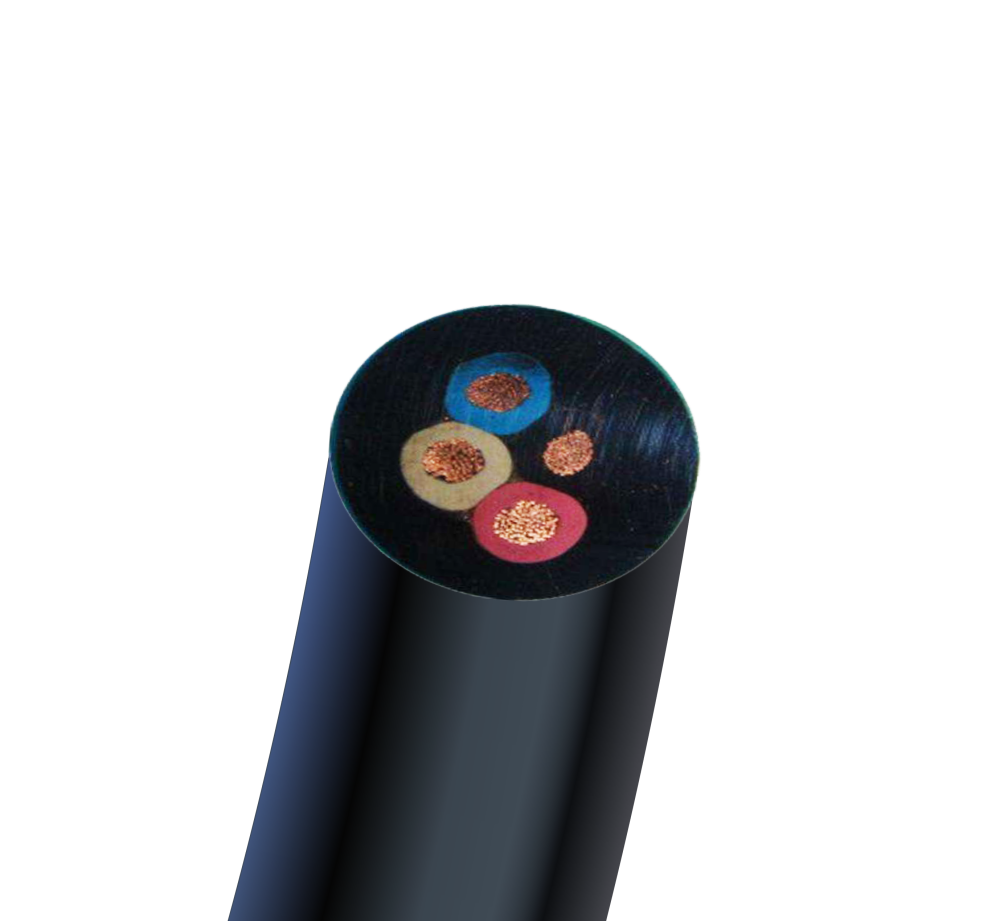
Number of cores: single core, 2 cores, 3 cores or multi-cores
Minimum bending radius: flexibility greater than 6 times the outer diameter of the cable, rigidity greater than 12D
Is customization supported: yes

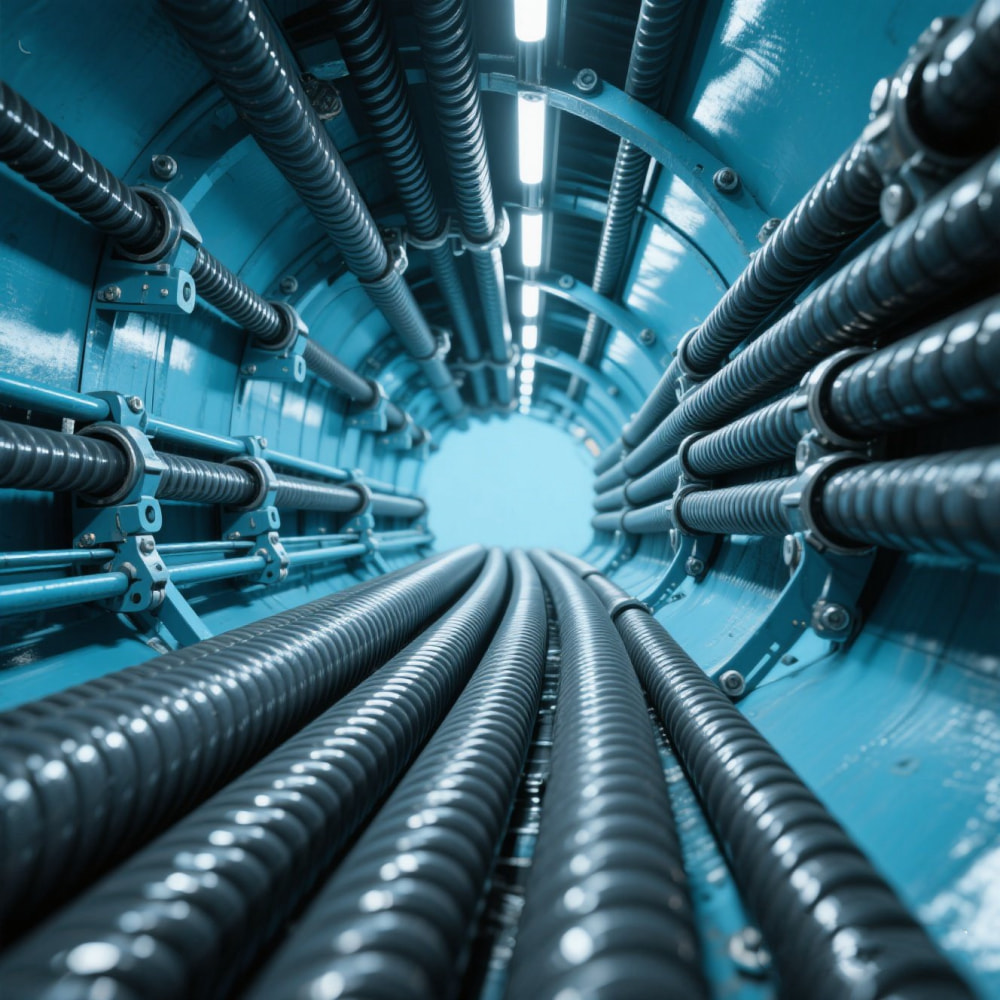
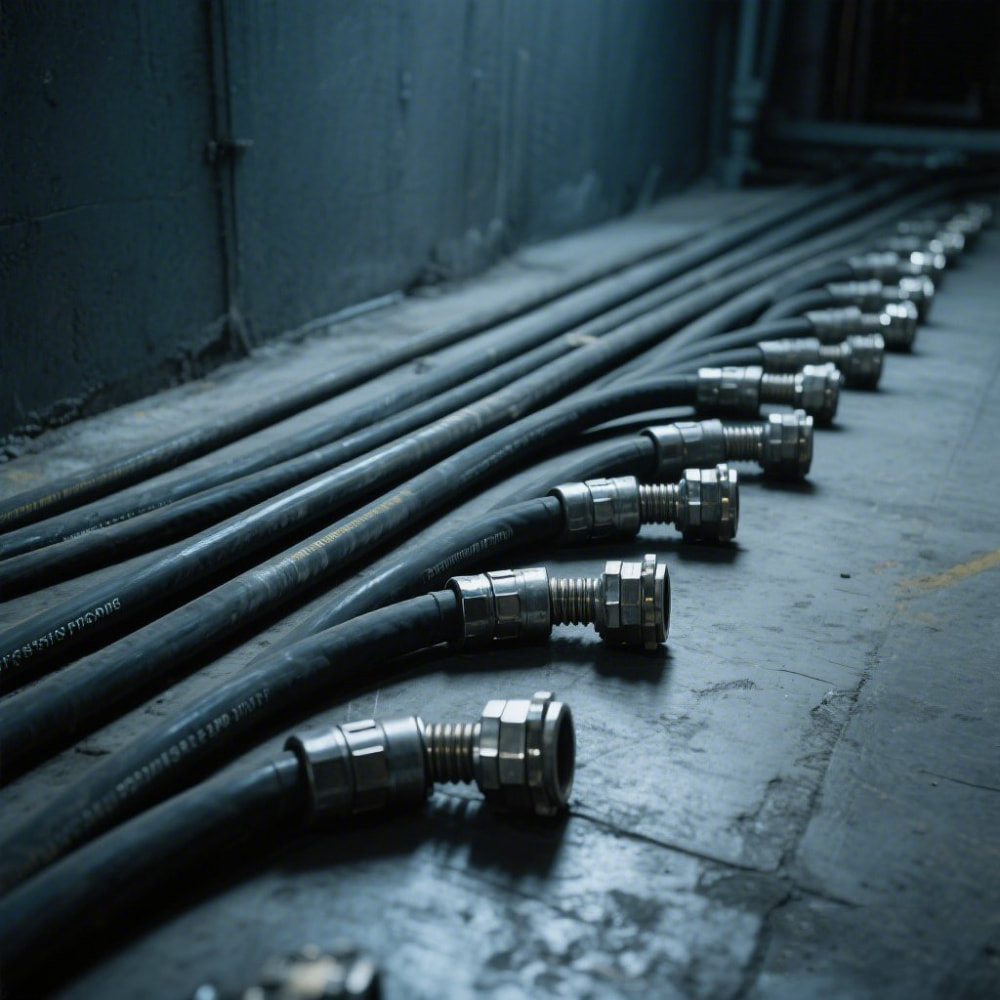
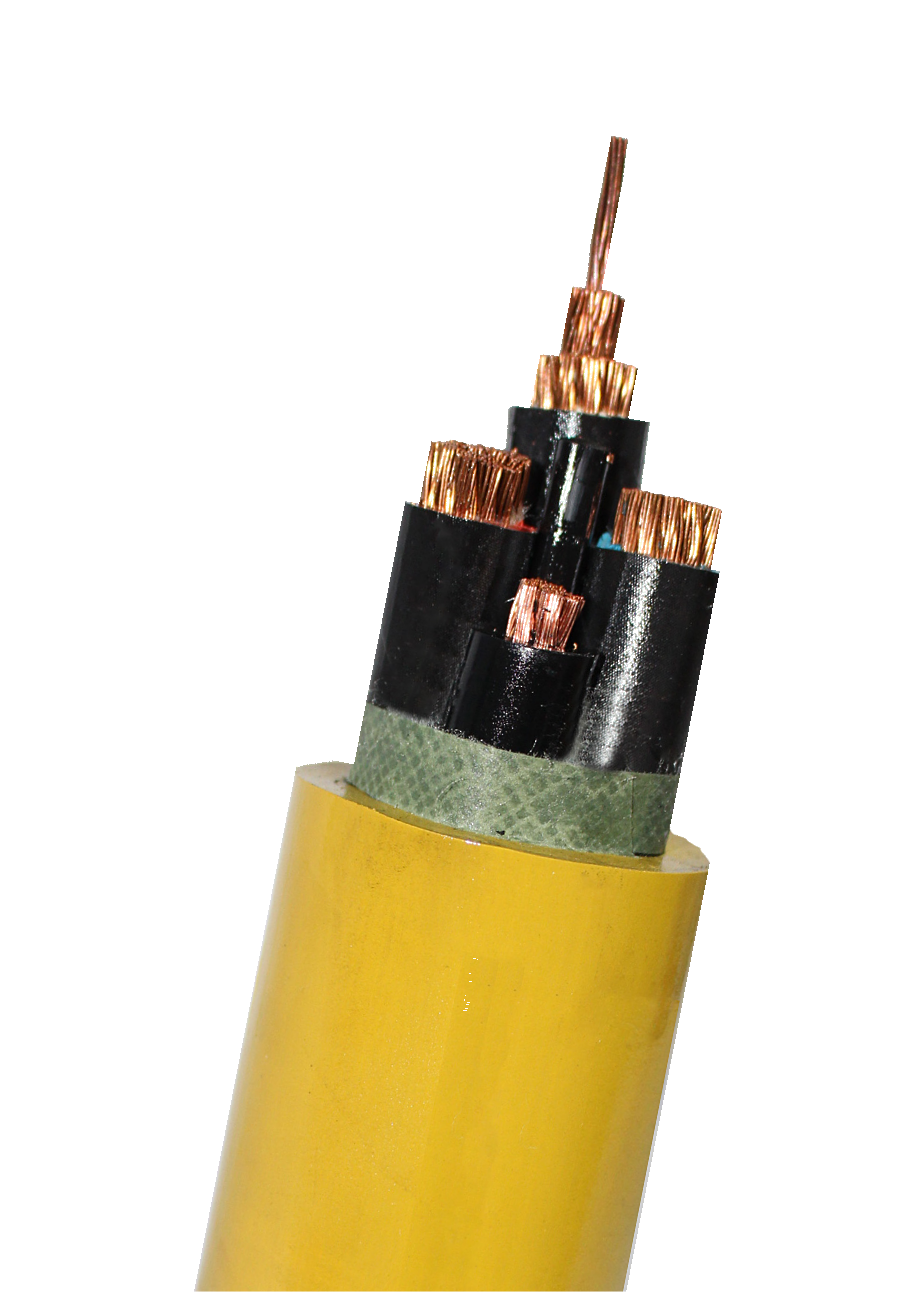
SHD GC cable has a thickened sheath and is suitable for scenarios with high mechanical strength requirements (such as direct burial and pipeline laying). It is widely used in places where there is a risk of mechanical damage, such as mines and port machinery. The core breakthrough of SHD-GC is to integrate the grounding conductor (GC) into the cable structure, usually using bare copper wire or green insulated wire placed in parallel in the center of the cable core. This design directly corresponds to the mandatory grounding requirements of the North American Electrical Code (NEC 250.122), and completely solves the risk of missing or misconnecting the grounding wire in traditional construction. For example, in the explosion-proof area of ​​oil drilling platforms, independent grounding wires need to be laid along the same path as the phase wire to avoid potential differences, and the integrated structure of SHD-GC naturally meets this condition. Measured data shows that the cross-sectional area of ​​its grounding wire strictly matches the current carrying capacity of the phase wire (such as a 500kcmil phase wire with a 2/0 AWG grounding wire), and the ground fault current shunt efficiency is 40% higher than that of external grounding. At the same time, this design reduces installation hours by 30% and avoids NEC acceptance failures due to substandard grounding systems. It is especially suitable for high-risk scenarios such as FDA-regulated pharmaceutical plants.

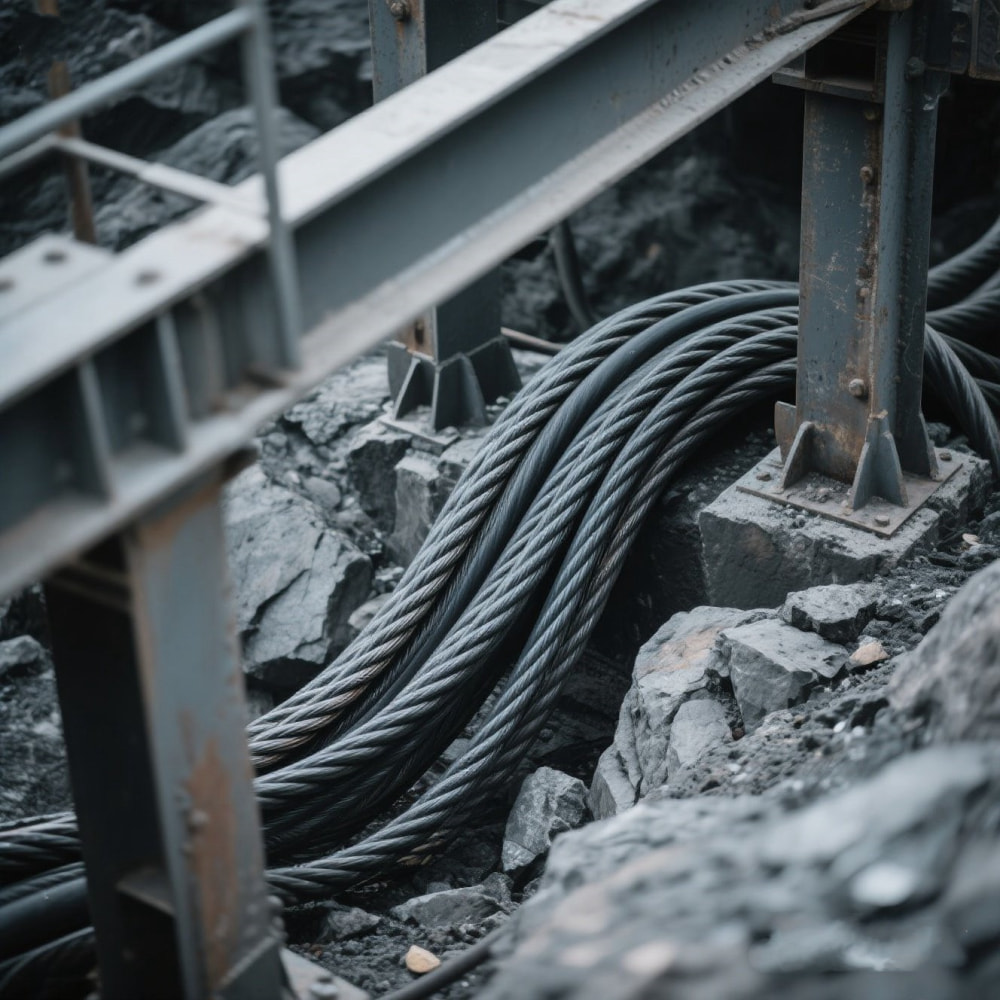
Durability in extreme environments

Mechanical protection: PVC/HDPE sheaths above 2.0mm have passed the extrusion test (withstanding ≥2000N/cm² pressure) and impact test (1kg steel ball 1m high impact without cracks), effectively resisting rock puncture during direct burial, mining vehicle crushing and other working conditions. Feedback from the Canadian substation project showed that the sheath wear rate was only 1/5 of that of ordinary cables.

Chemical protection: UV-resistant carbon black and plasticizers are added to the sheath, and the tensile strength retention rate after 5000 hours of ASTM G154 ultraviolet aging test is >85%, and the service life is extended to 15 years in the acid mist environment of steel mills.

Structural stability

The central ground wire also serves as a cable core filler, which increases the cable roundness by 35% and avoids local stress concentration in the insulation caused by deformation of traditional cables. The Alaska oil pipeline case shows that the SHD-GC sheath does not show the brittle cracking phenomenon of ordinary PVC at a low temperature of -50℃, ensuring the safety of the polar energy artery.

Optimize the cost of the entire system

Installation efficiency is improved: a single cable integrates power line + grounding line, eliminating the need for separate procurement and laying of grounding lines. Actual measurements of operations in the narrow space of a wind turbine tower show that installation speed is increased by 50% and labor costs are reduced by 35%.

The improved reliability of the grounding system reduces the risk of electrical fires by 60%, and the mechanical protection of the sheath reduces the risk of direct buried cables being dug up.

Related Products

FAQ

How to accurately match the cross-sectional area of ​​the SHD-GC grounding wire with the main cable?

Follow the NEC 250.122 dynamic matching principle (non-fixed ratio)

How to select the grounding wire connector?

This is because aluminum conductors are prone to sparks, which violates coal safety regulations.

Send Your Inquiry Today

Send Your Inquiry Today